Blog
Meet our Advisors: Bryan Rotella
Bryan Rotella is an American attorney, legal strategist, and national media analyst specializing in healthcare law and Artificial Intelligence (AI) governance. He is the founder of LeadAI Legal™, a division of the national law firm Quintairos, Prieto, Wood & Boyer (QPWB), and GenCo Legal®, a subscription general counsel platform serving healthcare and health tech companies since 2014. Bryan serves as Strategic AI Governance and Risk Advisor to ACTAVA. With more than two decades from the courtroom to the boardroom to the policy war room, and a national practice dedicated to AI governance, Bryan helps boards, investors, leadership teams, and policymakers govern AI like their best worker, not just software or an algorithm.
ACTAVA built what I would call air traffic control for AI governance. The general counsels, compliance officers, and risk managers are the pilots. ACTAVA gives them the much-needed tower.
Today, we are speaking with Bryan Rotella, a leading expert in AI governance, about the future of AI governance. This is a very serious and timely topic, as the rapid evolution of artificial intelligence necessitates robust frameworks for ethical deployment, accountability, and risk mitigation. The conversation will delve into the complex challenges facing policymakers, developers, and users, exploring the potential regulatory landscapes and the critical need for proactive, forward-thinking strategies to ensure AI systems are developed and utilized responsibly for the betterment of society.
Why does AI governance in healthcare need an air traffic controller?
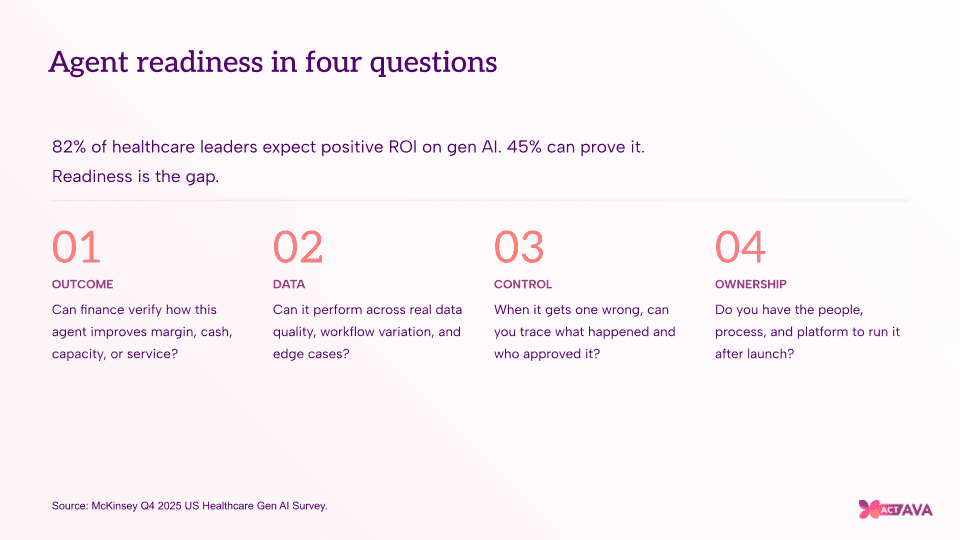
General counsels, compliance officers, risk managers, and, ultimately, CEOs and boards are responsible for every AI decision their organizations make. They are the pilots. But AI agents are deploying across clinical, financial, and operational workflows in healthcare faster than any governance team can monitor alone. That does not mean you ground the fleet. It means you build a tower. Real-time visibility into what your AI agents are doing, whether they are following your compliance frameworks, and a documented record when they are not. ACTAVA built that tower. The governance professionals are still the ones making the calls. ACTAVA gives them the instruments to make those calls with confidence at scale.
Why do AI builders and AI governance professionals belong at the same table from day one?
Too many organizations treat governance as something that happens after AI is deployed. Policy written. Committee formed. Hope for the best. The AI companies that will earn lasting trust in healthcare are the ones that bring governance professionals into the conversation while the technology is still being designed. That is what I found at ACTAVA. They did not ask for a governance advisor after they shipped a product. They brought one in because they believe that how you build AI matters as much as what you build. That synchronous relationship between the people creating the technology and the people accountable for its consequences is what healthcare needs more of.
What is the future of AI governance?
This one is easy. Human professionals supported by AI, purpose-built for oversight.
The governance and compliance leaders responsible for AI in healthcare are being handed an enormous job. Oversee technology they did not build, across workflows that multiply by the quarter, in a regulatory environment that is still taking shape. No human team can do that alone. But the answer is not AI policing itself. Regulators will not accept it. Customers will not trust it. Investors will expect more. The answer is an AI built to support humans in the loop. An AI co-worker for the governance professional. One that monitors agents, tests against compliance frameworks, and surfaces what the professionals need to see so they can do what only they can do: exercise judgment, make the call, and stand behind it. The pilots still fly the planes. They just deserve a tower built for the new age of AI.
More About our Advisor
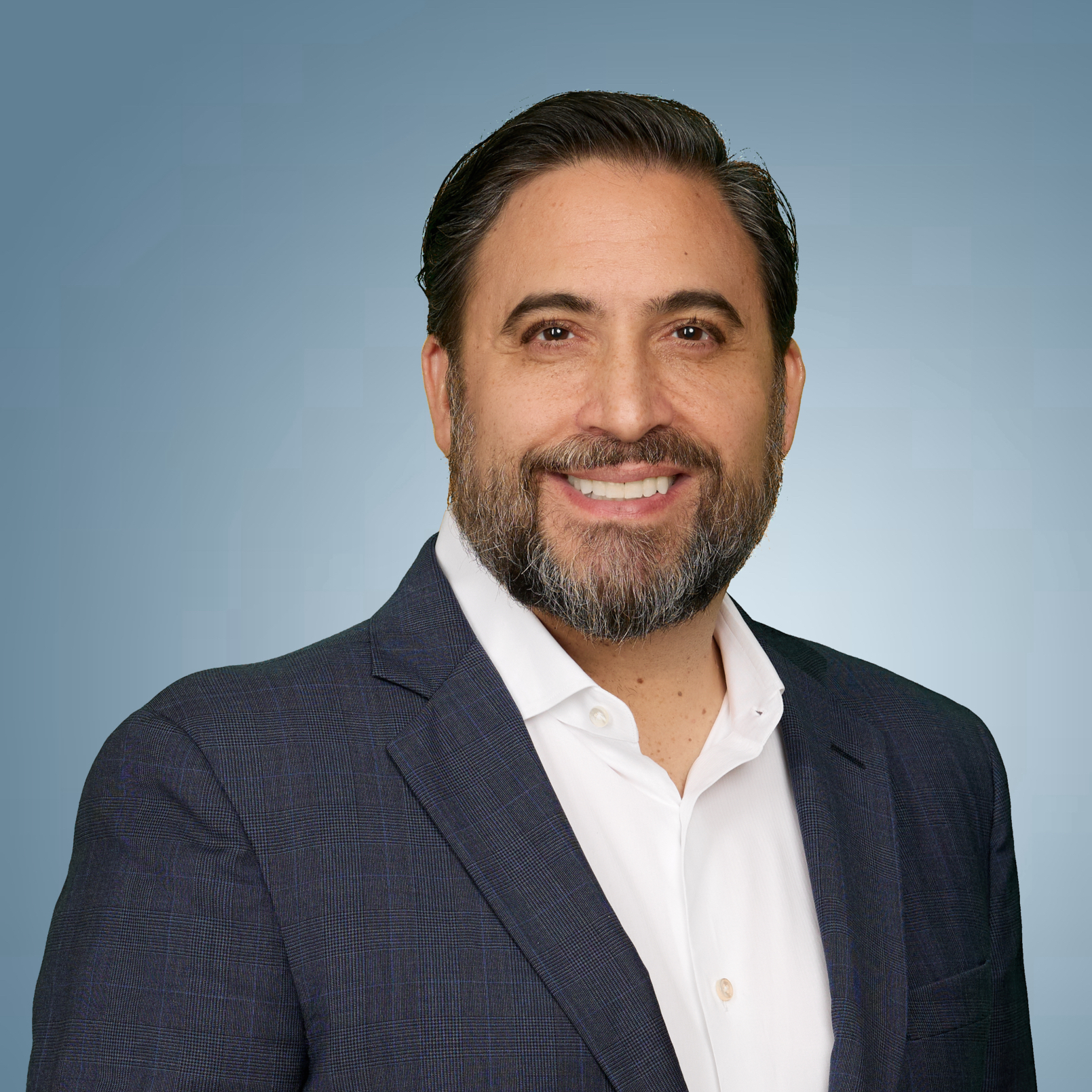
Bryan Rotella's path to AI governance came from accountability, not technology. He began his career at the firm made famous by the Erin Brockovich case and went on to become a medical malpractice defense trial lawyer, handling high-exposure matters, including wrongful death cases. He then served as General Counsel to a billion-dollar national healthcare organization, guiding it through HIPAA breaches, ransomware incidents, regulatory scrutiny, and a successful exit. When AI began reshaping the risk profile of the clients he served, he built LeadAI Legal to bring the same accountability framework to a new category of decisions.
Bryan has made more than 300 national media appearances providing expert commentary on the intersection of law, healthcare policy, and technology. His work is published in The Hill and the Washington Examiner, and he has informally advised Congressional leaders and committee staff on AI policy. He holds a Juris Doctorate from Pepperdine University School of Law and also serves on the board of the Texas Association of Accountable Care Organizations (TXAACOs) and the advisory board of GalenusRx.