Blog
Healthcare Has an AI Deployment Problem. Actava.ai Was Built to Solve It.
The healthcare industry knows it needs AI. The question is no longer whether to adopt it, but how fast we can get it into the hands of the people who need it most — clinicians, administrators, and patients — without compromising safety or compliance.
By Kevin Riley
Recent data underscores the urgency for action. The 2025 Kyndryl Healthcare Readiness Report finds that 65% of healthcare leaders lack confidence in their IT infrastructure’s ability to manage future risks. Additionally, 58% report that foundational technology issues are delaying innovation. According to a 2024 report from Medscape and HIMSS, 84 percent of healthcare professionals expect artificial intelligence to significantly transform job roles and responsibilities this year, but many say existing infrastructure is still inadequate to support these ambitions.
Actava.ai was specifically developed to bridge the gap between ambition and infrastructure.
The Paradox of Healthcare AI
Healthcare demonstrates both technological advancement and persistent legacy challenges. While the industry adopts innovations such as robotic surgery, data-driven drug discovery, and advanced imaging, many hospitals continue to rely on outdated IT systems and fragmented electronic health records.
According to Kyndryl, 42 percent of healthcare leaders believe their organizations make decisions too slowly, and only 28 percent feel fully prepared to manage external business risks. The report highlights that this readiness gap most directly affects clinicians. According to a global survey cited by Kyndryl, three out of four physicians lose clinical time due to incomplete patient data, with some spending up to 45 minutes per shift searching for information. This equates to approximately 23 lost working days per clinician each year, at a time when patients already wait an average of 70 days to see a specialist.
The challenge is not the absence of AI solutions, but the complexity of deploying them in healthcare. Stringent regulations, sensitive data, and high stakes make implementation difficult. Generic AI platforms are not designed for these demands.
Why Orchestrated AI, Not Just AI, Is the Answer
Most healthcare organizations are not seeking additional point solutions, despite the availability of effective options. Instead, they require a way to coordinate multiple AI capabilities—such as retrieval, reasoning, compliance checking, and clinical decision support—within existing workflows and systems, including EHRs and their agents. This need for AI orchestration is the foundation of Actava.ai’s KORA platform.
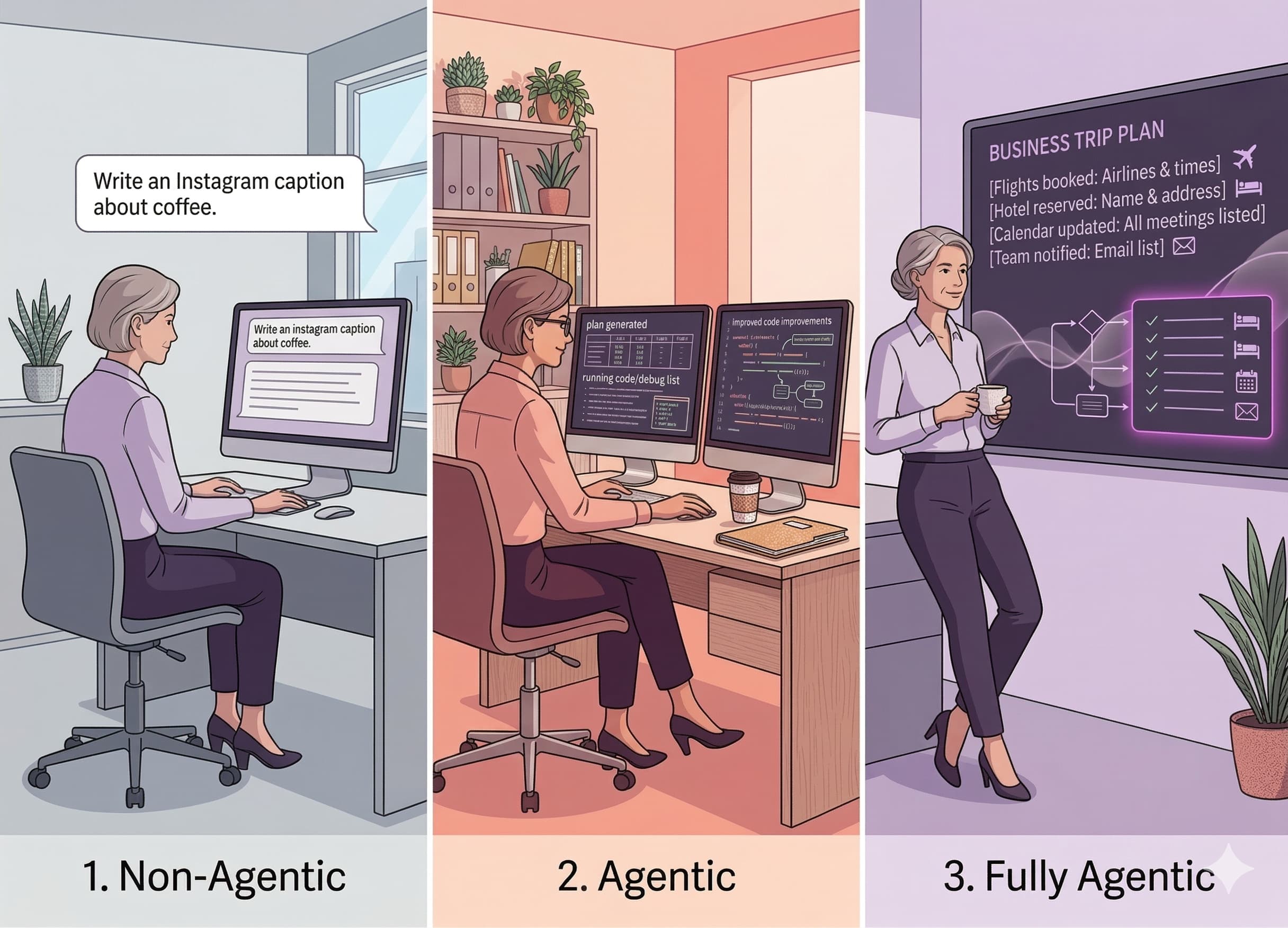
At Actava.ai, we refer to our approach as a “Healthcare AI Factory”. Factories standardize (and by doing so, also accelerate) the creation, training, and deployment of “widgets” - in this case, AI agents specifically for healthcare and life sciences. Customers can create and manage multi-step, interdependent agent workflows within a single Agentic Development Pipeline, developing, testing, and scaling each component independently while maintaining oversight of the entire workflow.
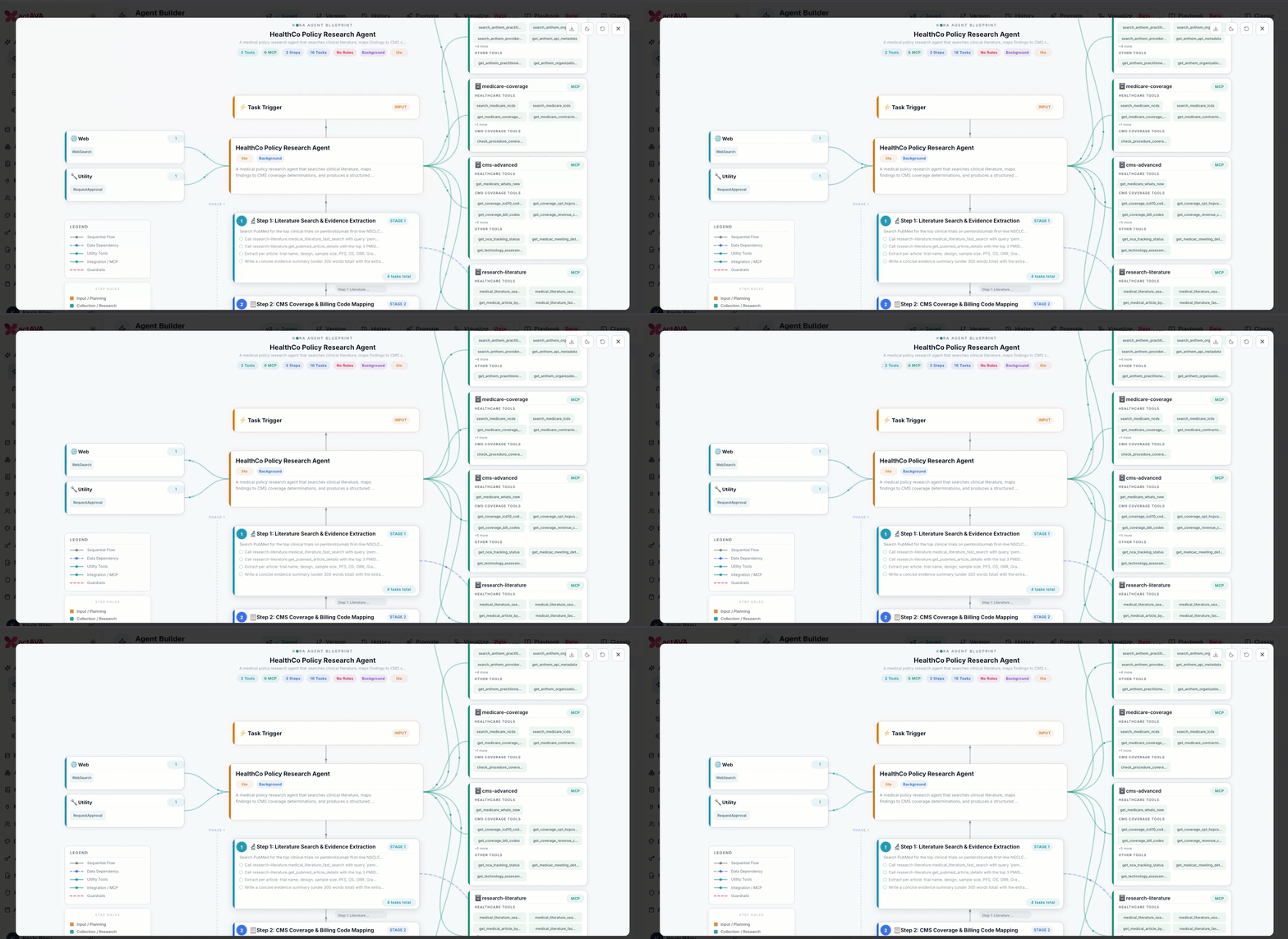
The process begins with “citizen developers” who understand business operations and need to visualize how agent steps, tools, and dependencies connect within a workflow. Actava.ai enables teams to inspect orchestration design, understand execution paths, and audit complex coordination with greater clarity.
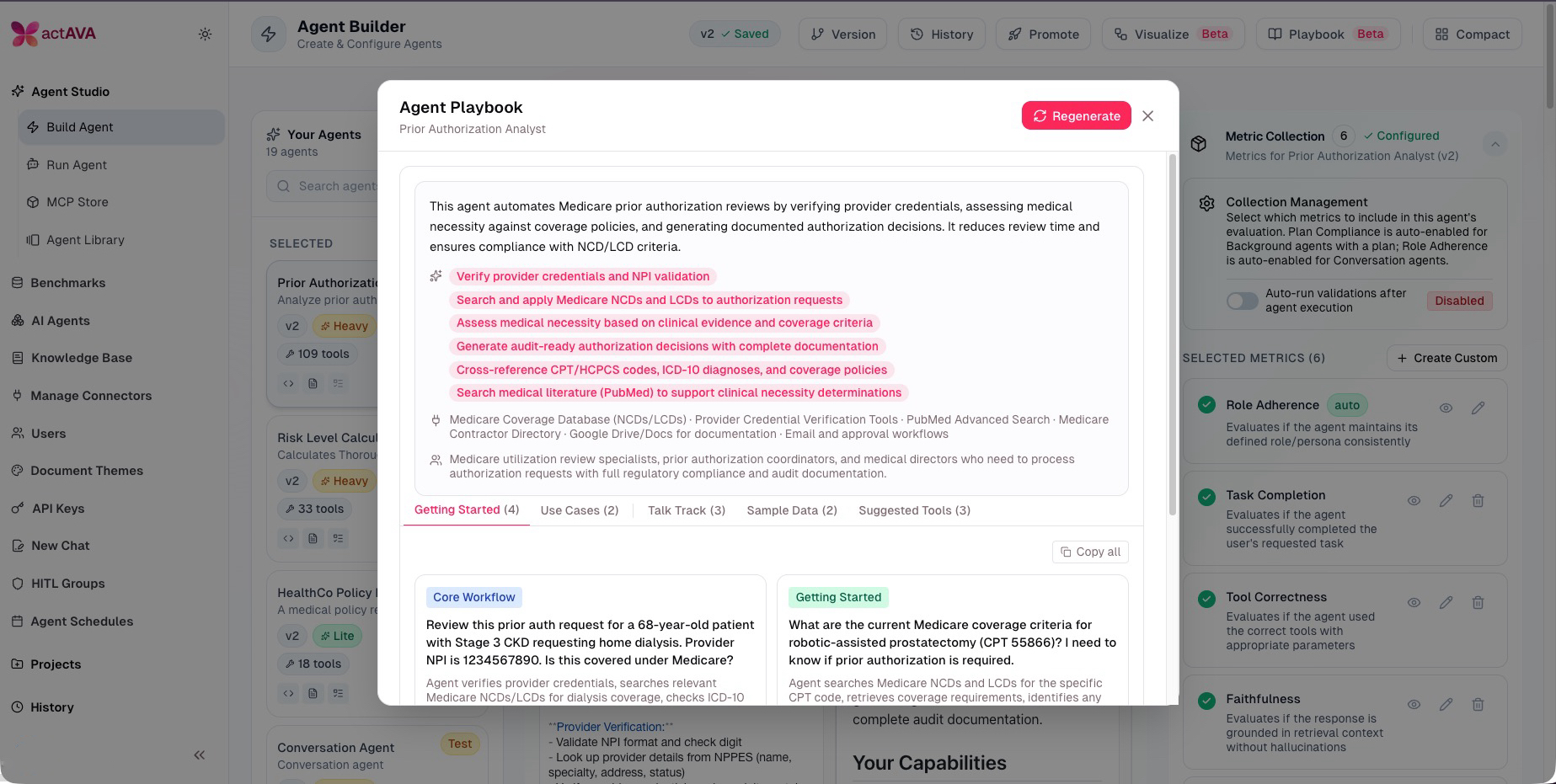
As organizations increase the number of agent creators and agents, they standardize on thoroughly tested workflows across service lines, facilities, and teams. This approach enables consistent deployment of high-performing automations without rebuilding each use case from the ground up.
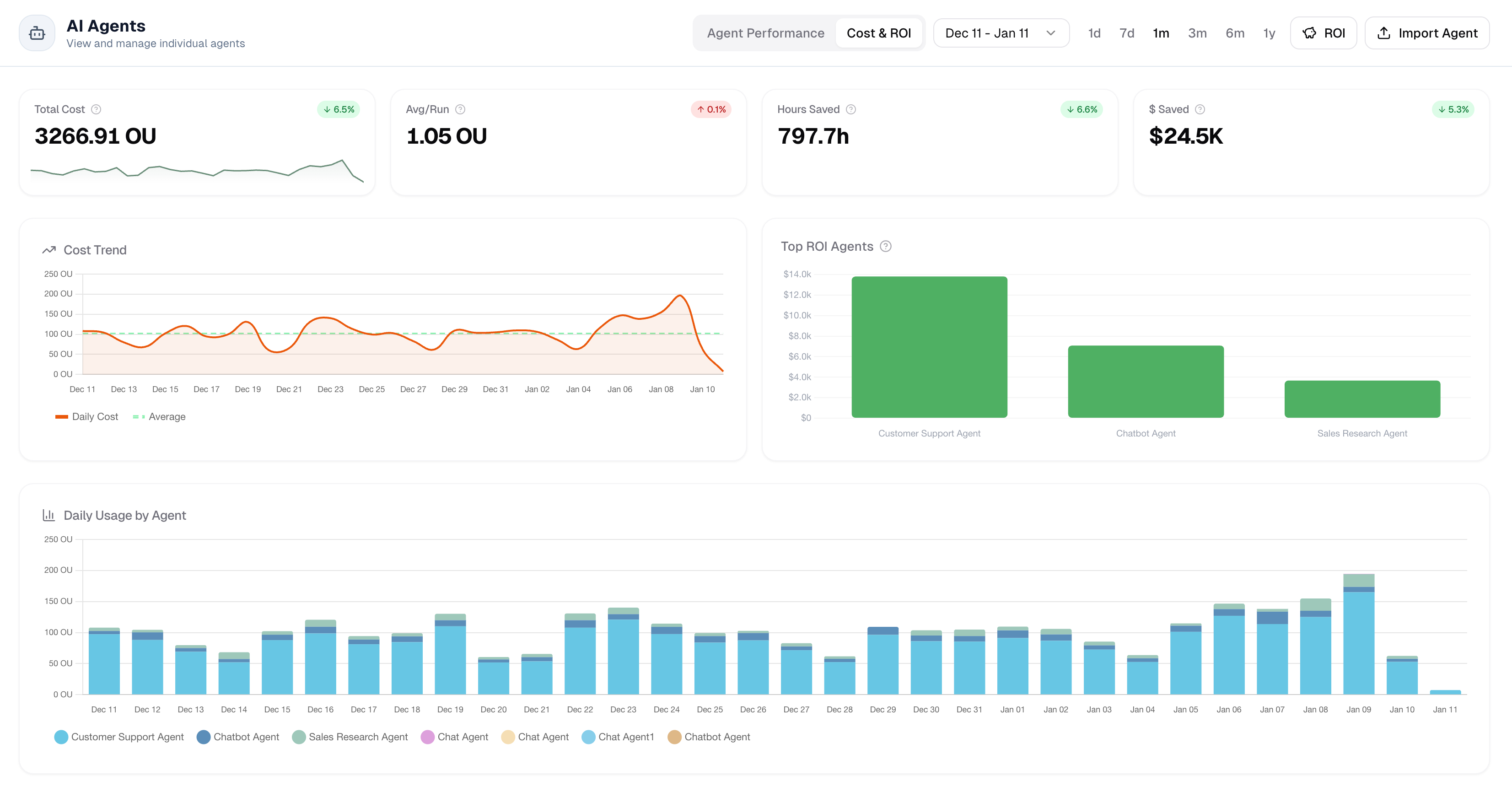
This lifecycle approach aligns directly with the Kyndryl Readiness Report, which finds that 70% of CEOs say their organization’s current cloud environment evolved unintentionally rather than through a deliberate design process. This highlights how a platform-first approach like Actava.ai’s can provide more structured and governed AI deployment for healthcare organizations, replacing ad hoc experimentation. Actava.ai’s built-in observability and continuous monitoring provide measurable data on agent performance, accuracy, and cost efficiency.
Compounding this need, 40% of technical employees in healthcare, and more than half of non-technical employees, do not use AI weekly. KORA|BLUE’s conversational, low-code interface allows non-technical teams to build and deploy agents, broadening adoption beyond the IT department.
Compliance by Design, Not Afterthought
A major barrier to AI adoption in healthcare is the regulatory environment. HIPAA, FDA guidelines, and data sovereignty requirements add significant complexity, which generic AI tools are not equipped to address.
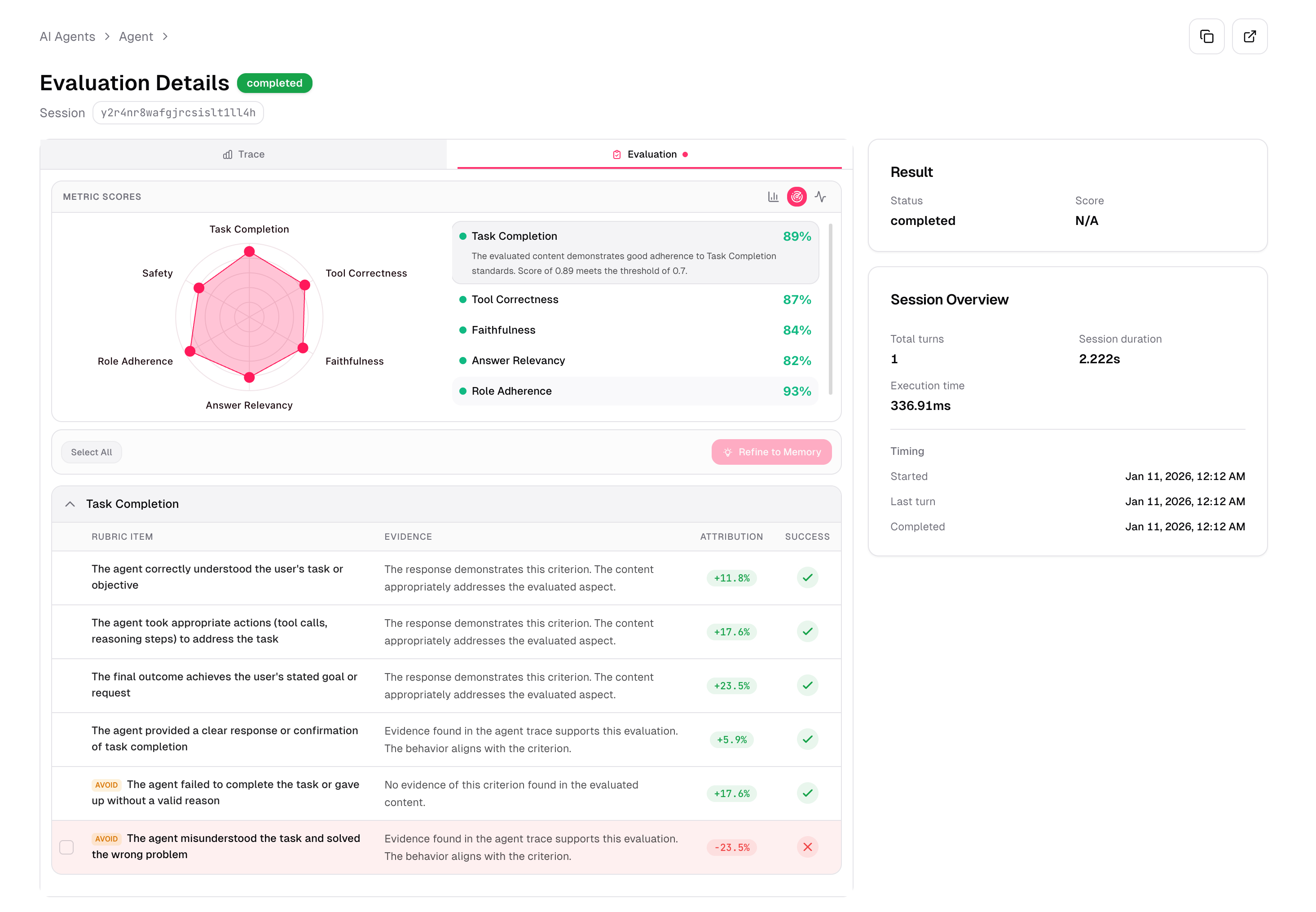
We address these challenges directly. Actava.ai’s testing and compliance suite continuously evaluates AI agents in real-world scenarios, using a proprietary risk engine to detect hallucinations, compliance violations, bias, and performance degradation before they impact patients. Our platform is HIPAA-compliant and SOC 2 Type 1 & 2 certified, with end-to-end encryption and comprehensive audit trails integrated at every level. This is especially important, Kyndryl indicates that 75% of leaders in healthcare and other industries are increasingly concerned about geopolitical risks related to storing and managing data in global cloud environments.s. In addition, 38% are actively repatriating data to internal infrastructure. In this environment, a healthcare-native platform with integrated governance is essential.
From Experiment to Enterprise
Notably, only 29% of healthcare organizations have increased their AI investments over the past year, compared to 33% across all industries, according to the Kyndryl report. Healthcare is not only cautious about AI but is also investing less than other sectors, despite recognizing the need for transformation.
In many cases, early AI experiments failed to scale. Pilot projects that succeeded in controlled environments often could not withstand the complexities of real-world healthcare operations, including interoperability challenges, evolving regulations, and diverse clinical workflows. We all know the 2025 MIT study that showed most AI fails to deliver significant ROI, often stalling in "pilot purgatory."
Actava.ai’s approach is designed to overcome this stagnation and enable true scalability.
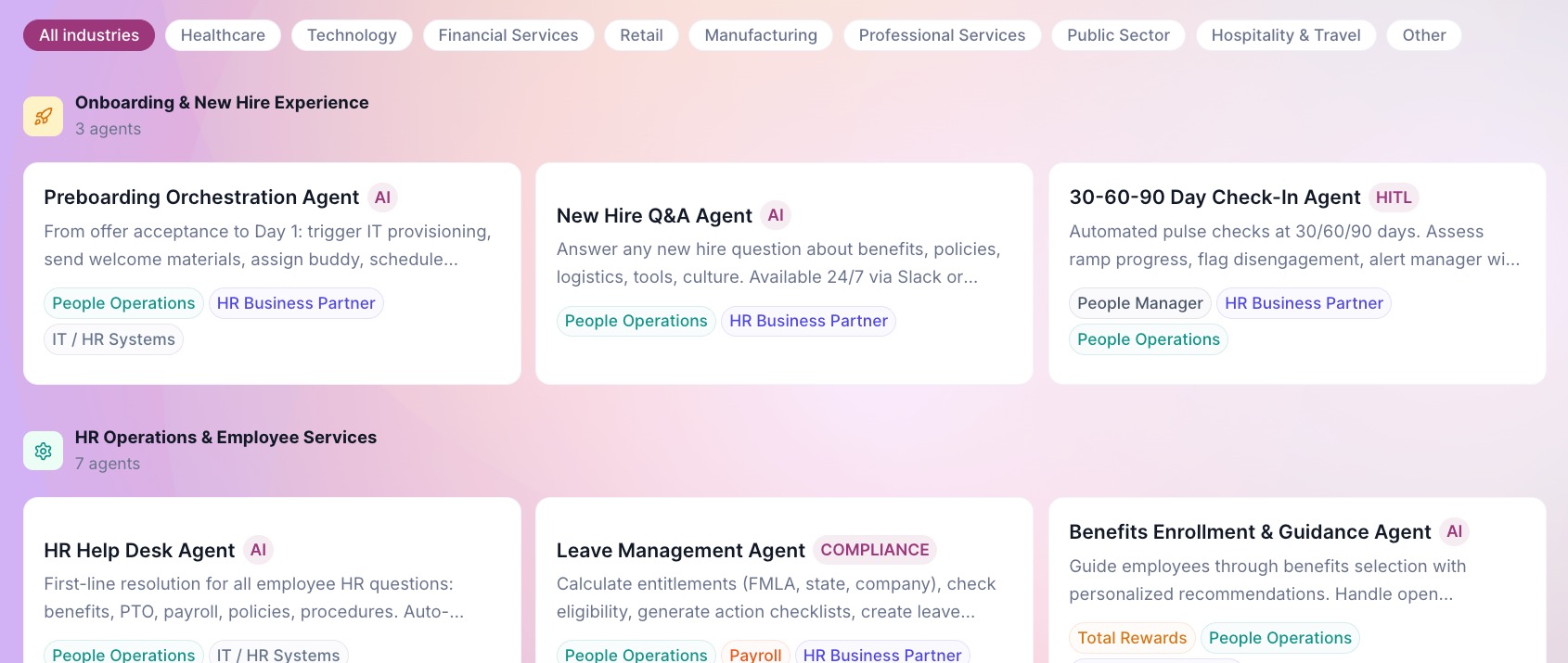
Actava.ai offers a pre-built Agent Library covering use cases such as prior authorization analysis, medication adherence, clinical trial protocol design, and post-discharge recovery monitoring. These are not generic templates, but healthcare-specific agents with integrated compliance and safety features that can continuously improve through reinforcement learning.
The bottom line is that the healthcare industry faces a gap between aspiration and execution. While leaders widely believe AI will reshape their organizations, most lack the necessary infrastructure, talent, and governance frameworks to implement it safely and at scale. With 18% of mission-critical systems already at end-of-service, modernization is urgent and must begin immediately. We believe healthcare & life science companies will increasingly bet on deep agents, both in how they work (what we call their productivity) and in what they sell (AKA their product). According to McKinsey's 2025 analysis, we should expect to see notable incremental value from agents, both in revenue generation and cost savings. Payers, Providers, Medtech, and Pharma companies - and the tech-enabled services and software companies that serve them - will only increase their use of agentic AI.
Actava.ai, and our AI Factory, stand ready.

Written by
Kevin Riley
CEO & Co-Founder
Health-tech executive who builds and scales AI-driven software across healthcare, life sciences, and enterprise markets. Over 25 years launching and scaling solutions for healthcare and life sciences, Kevin led the healthcare and government business at Vlocity (acquired by Salesforce), growing it from $300K to more than $40M, and later served as GM of Salesforce's global Health & Life Sciences portfolio, a $4.5B business. He has also served as CEO of multiple software companies spanning AI, care management, regulatory science, and provider revenue. He created the award-winning modelH framework and was named a Top Healthcare Software Executive.