Blog
Meet Steve Brown
We took this Friday to interview Steve on the concept of forward-deployed engineering in AI, how it works at Actava.ai, and how his teams drive customer success.
Meet Steve Brown, CCO of Actava.ai
Steve Brown is the Chief Customer Officer at Actava.ai. He is a dynamic technology executive with over 25 years of experience building and leading high-performing global pre-sales, solution engineering, and sales enablement teams across enterprise software. At Actava.ai, Steve leads forward-deployed engineering, applying his expertise in technical leadership, go-to-market strategies, and industry innovation to deliver agentic AI infrastructure that bridges business needs with cutting-edge technology. Known for transforming horizontal platforms into vertical industry solutions, he excels at aligning technical projects with revenue goals, fostering trusted advisor relationships with C-suite executives, and driving seamless integrations during acquisitions.
We took this Friday to interview Steve on the concept of forward-deployed engineering in AI, how it works at Actava.ai, and how his teams drive customer success.
When you say forward-deployed engineering, what exactly do you mean?
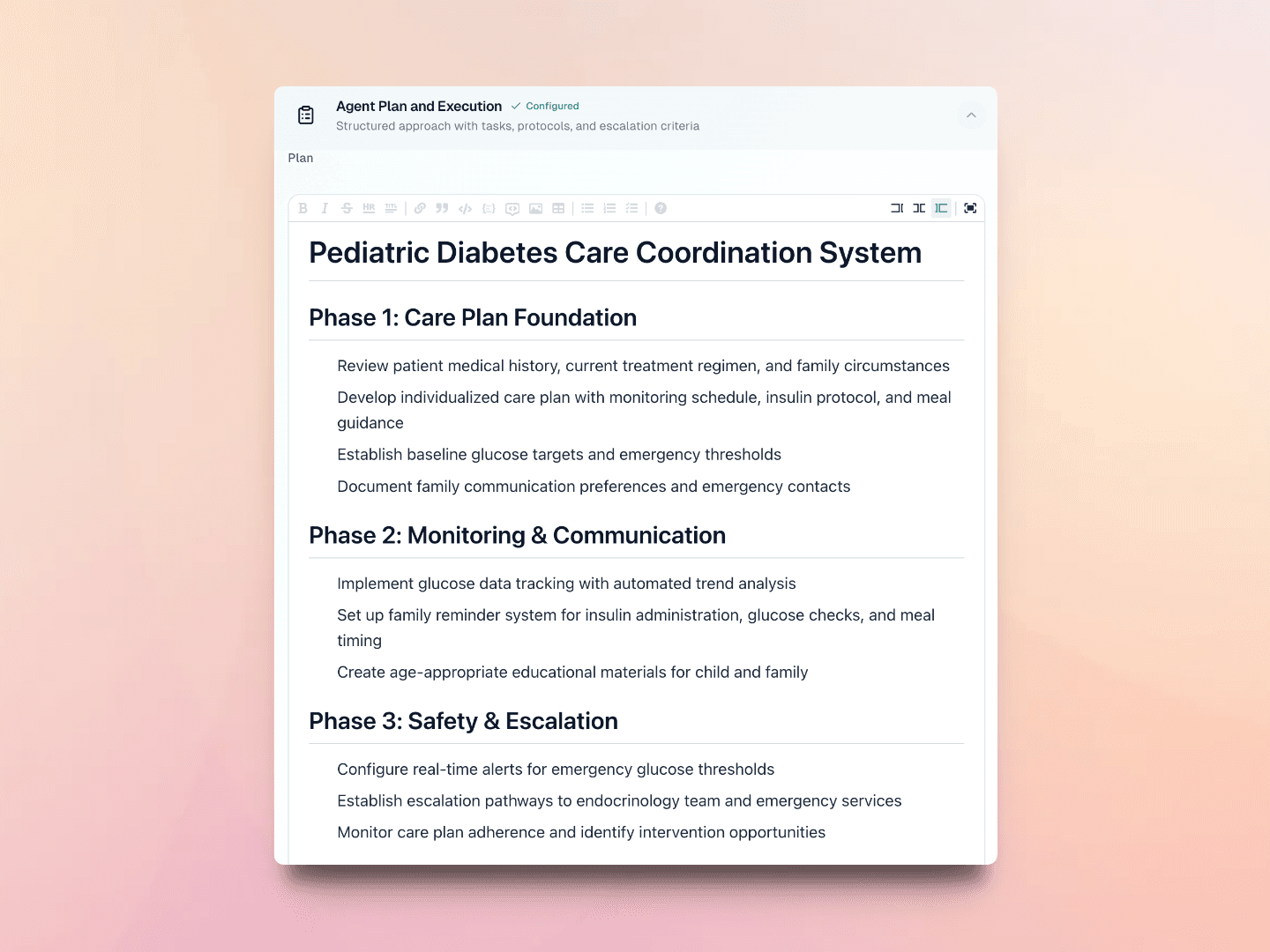
At Actava.ai, forward-deployed engineers act as a bridge between pre-sales and post-sales. They become involved early when we engage with prospective customers, helping to explain how specific use cases can be supported on our platform and sharing best practices for implementation. As those prospects move from initial discussions through proof-of-concept work to full deployment, the same forward-deployed engineer remains engaged throughout the lifecycle. In this way, they serve as trusted experts across our KORA platform and AI implementation approaches, ensuring our customers have a smooth onboarding experience and can address their most challenging AI use cases effectively.
How do Actava.ai’s customers rely on your forward-deployed engineers, and for what?
Our customers rely most heavily on forward-deployed engineers during the onboarding phase, when they are first learning how the platform operates and how to map their use cases to our AI framework. The engineer participates in the initial kick-off sessions to demonstrate platform capabilities and identify the highest-priority initial use cases. In the early stages, we often take on a larger share of the configuration and build work to help get those use cases into production quickly.
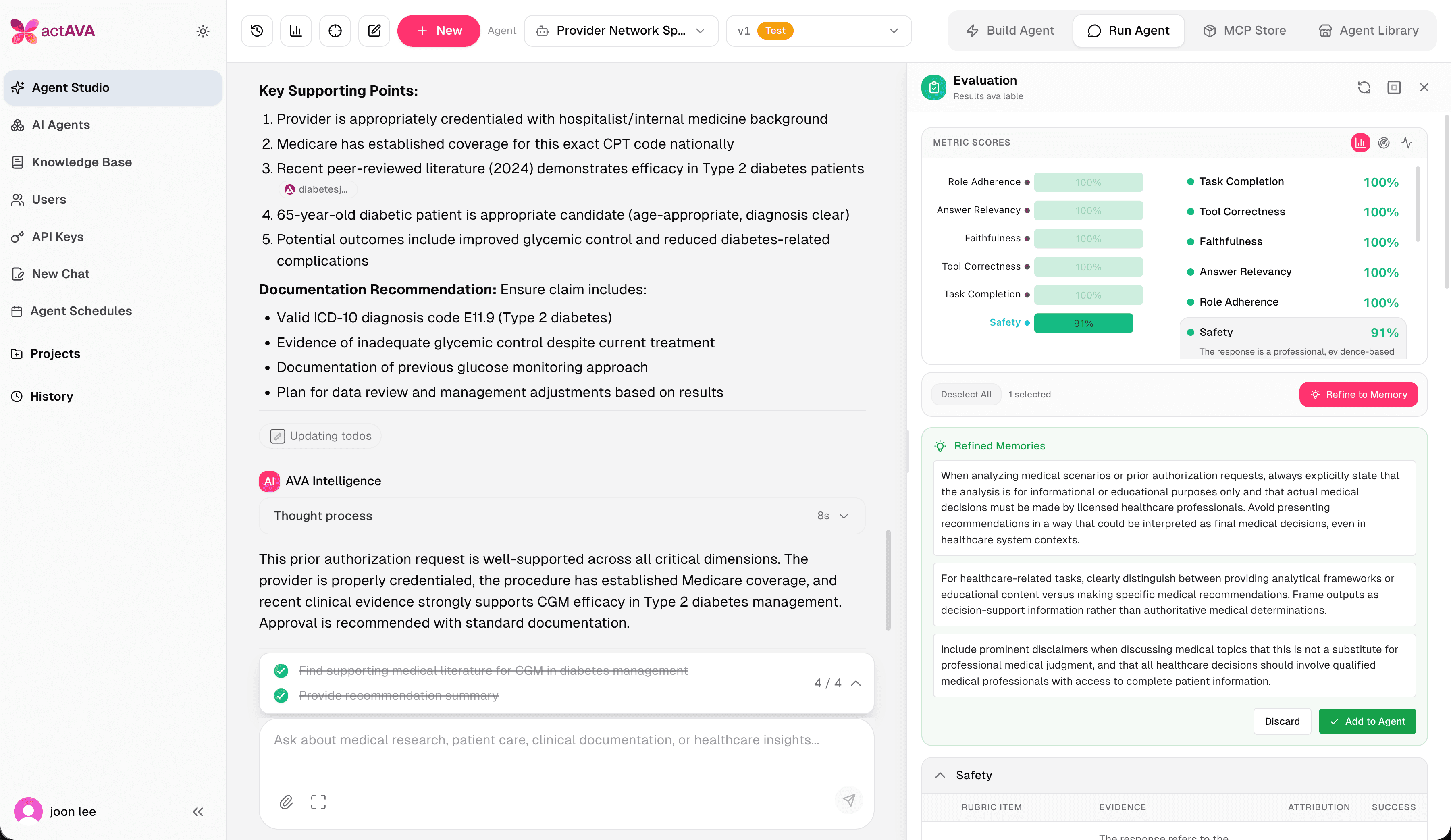
As customers become more comfortable with the platform, the relationship evolves: they begin building agents themselves, and the forward-deployed engineer shifts into a more guide-and-troubleshoot role. They remain available to help debug difficult issues, recommend optimal configurations, and share proven patterns from other engagements.
Overall, they remain an ongoing expert resource throughout the customer lifecycle.
How do your FDEs stay connected with the priorities of your customers?
We maintain close alignment through regular status updates and working sessions that evolve with the customer’s platform maturity. For new customers, the focus is primarily on successfully getting initial use cases up and running. As they gain experience and sophistication, conversations shift toward sharing best practices, optimization techniques, and advanced capabilities to maximize value from AI. This model often includes assistance with integrations, configuring MCP servers, navigating complex agent interactions, and reviewing proven agent configurations that have worked well for similar workflows.
To ensure support is always accessible, we set up a dedicated Slack channel for each customer from the start, along with a shared file area for exchanging messages, configuration examples, prompt templates, and other materials. This approach gives them a direct, ongoing way to reach the same forward-deployed engineer who knows their setup—no ticketing system or handoffs. The channel remains active as needed, whether for quick questions or in-depth troubleshooting. The goal is to adapt our support to wherever the customer is in their journey—providing hands-on help early on and then shifting to advisory guidance and targeted problem-solving as their internal capabilities grow.
Bonus Round: What is your prediction for the biggest AI trend impacting your customers in 2026?
I believe the most significant trend in 2026 will be a fundamental change in how software-driven workflows are created and maintained. Historically, making changes to business processes required developers to modify code running on application servers, which often involved significant time and expertise.
In the coming year, we will see a shift toward agent-based systems where subject-matter experts can define new workflows directly using natural-language prompts. Instead of rigid, brittle code, these agents are guided by English instructions, making them far more agile and easier to update—often in minutes rather than weeks or months. Importantly, these systems are more resilient: they can reason through edge cases, adapt to subtle variations, and handle situations that were not explicitly programmed - all with safety and compliance built in.
For our customers in healthcare and life sciences, this means they can respond quickly to changing clinical or operational needs, implement flexible workflows, and reduce the brittleness that has traditionally made system changes risky and time-consuming.
Thanks for the time today, Steve, and for helping us understand how your forward engineers are changing the DIY nature of Actava.ai’s customers.
Visit us at https://actava.ai/ to learn more.
Meet Steve: View LinkedIn Profile