Blog
The Role of the Citizen-Developer in the Age of Agentic AI
In this post, Steve Brown explores the emerging role of the citizen-developer in healthcare as agentic AI reshapes how innovation occurs at the front lines. This shift, driven by clinicians and operational leaders who refuse to wait for traditional IT solutions, represents a profound opportunity for health systems to accelerate safe, impactful change.
By Steve Brown
The promise of AI in healthcare is immense. It can reduce administrative burden, enhance clinical decision-making, improve patient access, and drive operational efficiency. Yet the path forward is not always top-down. In many organizations, the real momentum is coming from the people closest to the work. Clinicians, nurses, administrators, and department leads are increasingly turning to accessible AI tools to solve immediate pain points.
Several years ago, as someone deeply involved in the evolution of enterprise software and its application in complex industries, I began to observe a fascinating, somewhat under-the-radar shift in healthcare. I was serving in a leadership role focused on the adoption of innovative technology, much like my earlier experience architecting solutions for large-scale challenges. I started hearing consistent stories from the front lines of hospitals and health systems.
Our Approach
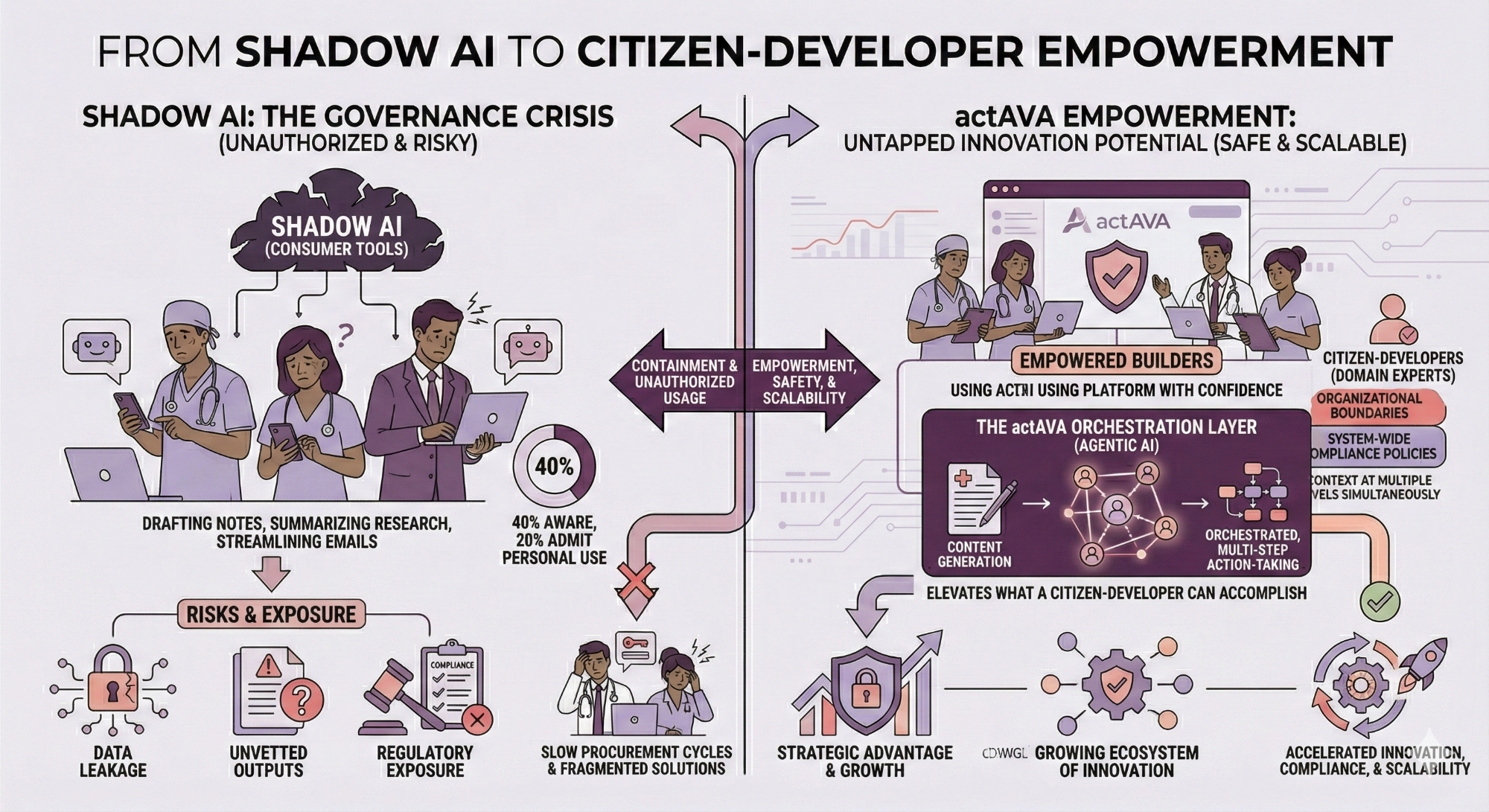
At Actava.ai, we see this not as a governance crisis to contain, but as a signal of untapped internal innovation potential. The citizen-developer is typically a domain expert with deep clinical or operational knowledge but limited traditional coding skills. This person is becoming the primary engine of progress in forward-thinking health systems. The question for leadership is shifting from “How do we stop unauthorized usage?” to “How do we empower these builders safely and scalably?”
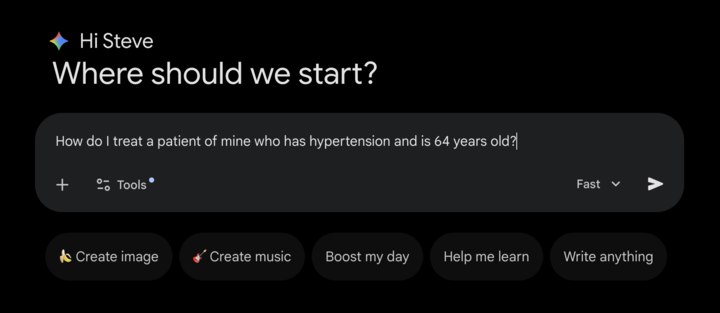
The rise of “Shadow AI” highlights the gap. Shadow AI refers to the unauthorized use of consumer tools such as ChatGPT for tasks including drafting patient notes, summarizing research, streamlining emails, or generating workflow ideas. A recent national survey captured this reality starkly. Approximately 40% of healthcare professionals reported awareness of unauthorized AI use within their organizations, and nearly 20% reported personal use. To security and compliance teams, this poses risks of data leakage, unvetted outputs, and regulatory exposure. But to those of us who have watched enterprise innovation patterns over decades, it reveals something far more strategic. Highly skilled professionals are refusing to accept slow procurement cycles and fragmented point solutions.
This pattern echoes earlier waves when business users built their own Access databases or complex spreadsheets because enterprise systems lagged. Today’s difference lies in the power of modern AI, particularly agentic AI. Agentic AI elevates what a citizen-developer can accomplish from content generation to orchestrated, multi-step action-taking.
The Broken Point-Solution Model
The root driver is clear. The traditional healthcare technology procurement model is overwhelmed. In recent years, particularly around 2025, massive venture capital inflows fueled an explosion of narrow AI tools. These included ambient scribes, scheduling bots, referral optimizers, prior authorization assistants, and more. Clinicians now juggle multiple logins, disjointed interfaces, and siloed workflows just to complete routine tasks. Vendor fatigue is real. When the enterprise fails to deliver a unified, intuitive experience, frontline teams improvise with whatever is immediately at hand. They often turn to consumer-grade large language models accessed via browser or mobile app.
From Shadow AI to Sanctioned Platform Innovation
The most progressive health systems are the true Transformers. They are moving beyond prohibition or endless point-solution purchases. They are adopting platform strategies that turn internal experts into builders.
Leading organizations are creating secure internal “clinical-data foundries” or AI sandboxes. For example, Mayo Clinic has advanced more than 200 AI initiatives through its robust internal infrastructure and platforms. This enables rapid experimentation and deployment across diagnostics, care delivery, and operations. UCSF Health has developed sophisticated internal AI platforms, including governance frameworks and continuous monitoring tools like its IMPACC program. These enable clinicians and researchers to safely leverage AI with real-time oversight. Other prominent systems have pursued similar paths. They are building governed environments where internal teams can iterate on custom solutions using their own rich, de-identified datasets.
Part 3: Agentic AI as the Game-Changer for Citizen-Developers
This is where agentic AI fundamentally changes the equation. Traditional generative AI might draft a referral letter or summarize a chart note. Agentic systems go much further. They can be configured to perform autonomous or semi-autonomous multi-step workflows across systems.
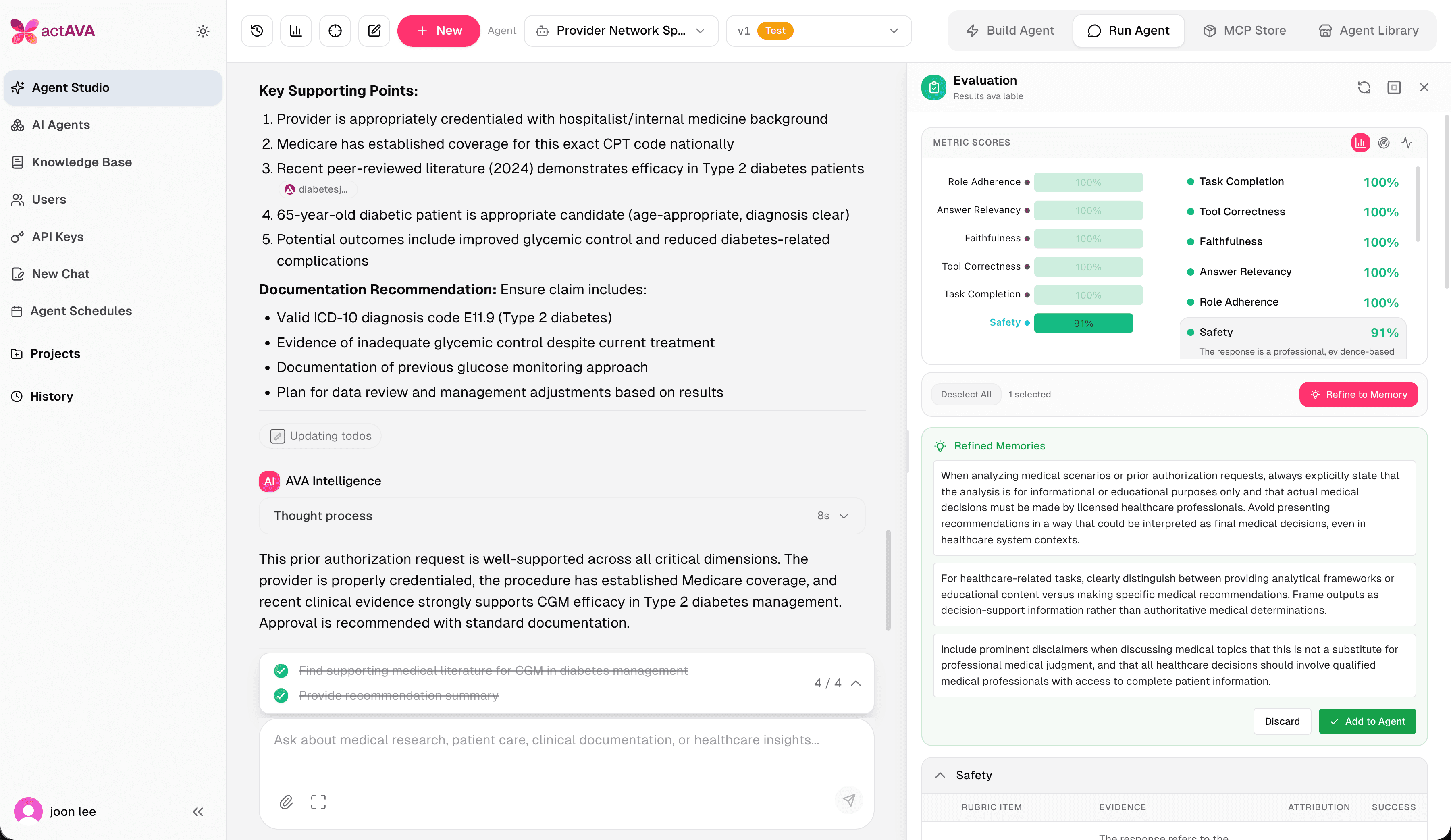
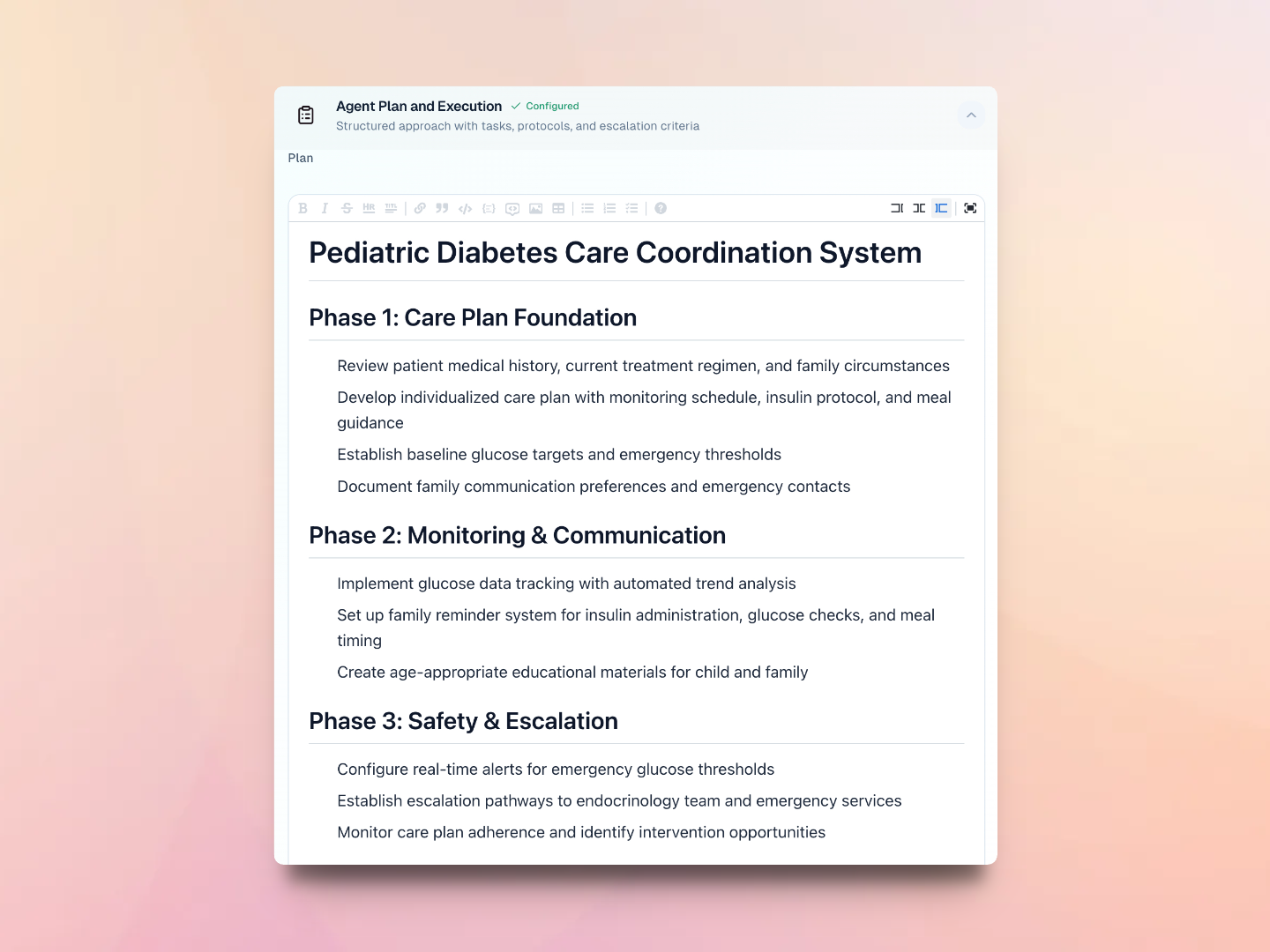
A clinically savvy citizen-developer can now define such an agent. This person might be a department medical director, a nursing leader, or an operations manager. They work through low-code or no-code interfaces on a secure platform. The agent reviews a patient’s longitudinal record from the EHR. It drafts a referral based on current guidelines and history. It validates insurance eligibility and prior authorization requirements. It checks scheduling availability across networks. It books the appointment. It routes notifications to all relevant parties.
Crucially, this requires no Python scripting, direct API management, or deep model expertise. It demands only profound domain knowledge. This is the kind only frontline experts possess. It must be paired with a governed “conductor” platform. The platform securely orchestrates data access, enforces compliance guardrails, and maintains full auditability.
The Leadership Playbook for Transformation
Health system executives face three clear paths. They can be a Follower and wait passively. They can be an Experimenter and remain trapped in pilot purgatory. Or they can be a Transformer, fundamentally reorienting around citizen-developer empowerment.
To become a Transformer, the playbook includes these essential steps.
Build a Sandbox, Not a Moat. Rather than blanket bans that push usage further underground, provide a secure internal platform. Staff can experiment with powerful LLMs and agentic capabilities on it. They do so without risking PHI exposure or external leakage.
Anchor to Enterprise Priorities, Not Technology Hype. Reframe the discussion from “What can this AI do?” to “Which pressing goals are we solving?” Those goals might include reducing length of stay, improving procedural throughput, decreasing documentation burden, or enhancing equity in access to care. Then empower internal teams to build agents aligned to those strategic outcomes.
Make Governance an Accelerator, Not a Bottleneck. Implement a lightweight but robust performance management infrastructure. Include human-in-the-loop checkpoints for high-stakes decisions such as clinical recommendations or billing/coding. Add automated monitoring for drift or bias. Provide clear escalation paths and transparent audit trails. Done right, governance enables speed and trust rather than creating friction.
Conclusion
The clinicians and administrators turning to Shadow AI today are not adversaries. They are your organization’s most valuable, real-time R&D function. They are pinpointing exactly where the current technology stack falls short of clinical and operational reality.
In my experience, organizations that thrive amid technological disruption are those that harness the creativity and domain expertise already within their walls. The citizen-developer, empowered by agentic AI on a secure, governed platform, stands ready to become the primary driver of sustainable innovation in healthcare. Our responsibility, as leaders and technologists, is to shift swiftly from containment to enablement. We must deliver the right tools, guardrails, and vision. Then innovation can unfold safely, at scale, and always in service of better patient care.

Written by
Steve Brown
Chief Customer Officer
Technology executive who transforms horizontal platforms into vertical industry solutions across global enterprise markets. Over 25 years, Steve has built high-performing pre-sales, solution engineering, and enablement teams in enterprise software. At Salesforce, he served as SVP of Global Solution Engineering for Industries, growing the team past 200 and achieving 200% revenue growth in FY22. At Actava.ai, he leads forward-deployed engineering, delivering agentic AI infrastructure that bridges business needs and technology. He scaled Vlocity's global solution engineering team from 10 to 120, helping drive Salesforce's $1.33B acquisition; he holds a B.Sc. in Computer Science from Western Ontario.