Blog
Meet our Advisors: Dr. Qingsong Wen
Qingsong Wen joins Actava.ai as a Strategic Advisor. He is the Chief Scientist at Squirrel Ai Learning and a PhD Supervisor at the University of Oxford. His research interests include machine learning, data mining, and signal processing, especially LLMs and AI agents for Education, Finance, and Time Series. His honors include recognition among Forbes China’s Top 100 Most Influential Chinese Elites, the INNS Aharon Katzir Young Investigator Award, and the AAAI Innovative Application Award. He holds editorial roles at leading AI journals, including IEEE TPAMI, IEEE TSP, and JAIR. He also serves as Associate Vice President for Cybernetics of the IEEE SMC Society, Vice Chair of the INNS AI for Education Section, and Chair of the IEEE CIS Task Force on AI for Time Series and Spatio-Temporal Data. In this blog, he explains why agent reliability has to be measured across the whole task, not one convincing step. He also shares what time series research teaches us about reading a patient's trajectory instead of a single snapshot.
Bringing expertise in time series, personalized learning, and trustworthy AI to Actava.ai.
We’re proud to welcome Qingsong Wen as a Strategic Advisor to Actava.ai.
Qingsong’s research explores how AI can understand changing conditions, adapt to individual needs, and work reliably in complex environments. His work spans time series forecasting, large language models, AI agents, and personalized education. That combination brings a valuable perspective to building AI that healthcare teams can trust. Explore his research.
For this edition of Meet the Advisor, the conversation centers on what healthcare AI needs to earn that trust, and what education and time series research can teach us about getting there.
Suggested featured quote · Pending Qingsong’s approval
“Healthcare AI should earn trust one workflow at a time, with clear evidence that it can understand context, act reliably, and recognize when a person needs to take over.”
Why did you decide to become an advisor to Actava.ai?
What interests me about Actava.ai is the connection between AI research and the practical demands of healthcare. The team’s focus on building, evaluating, and improving agents around real workflows creates an opportunity to make research useful in everyday operations.
My work in personalized education has shaped how I think about this challenge. An intelligent system needs to understand the individual, track what changes, and provide useful support at the right moment. Healthcare raises similar questions, with its own requirements for privacy, safety, and professional judgment.
I also value the emphasis on evaluation. When an agent takes several actions across different systems, we need to examine the entire sequence. Did it use the right information? Did it follow the relevant rules? Did it recognize an exception?
Those questions connect closely with my research interests. As an advisor, I want to help the team translate advances in AI into systems whose performance people can inspect, measure, and improve.
What are the biggest changes you see underway in healthcare AI?
The shift toward agents makes reliability a much more concrete engineering problem. An agent might gather information, check requirements, prepare documentation, and route work to another person or system. Every step introduces a chance to lose context or carry an earlier mistake forward.
We need to evaluate whether the agent completes the whole task correctly. A convincing answer at one step tells us little about whether the final result meets the requirements.
I’m also interested in how AI connects information across time. Healthcare involves histories, changing measurements, and events that influence what happens next. Systems need to reason about those relationships while preserving the evidence behind their conclusions.
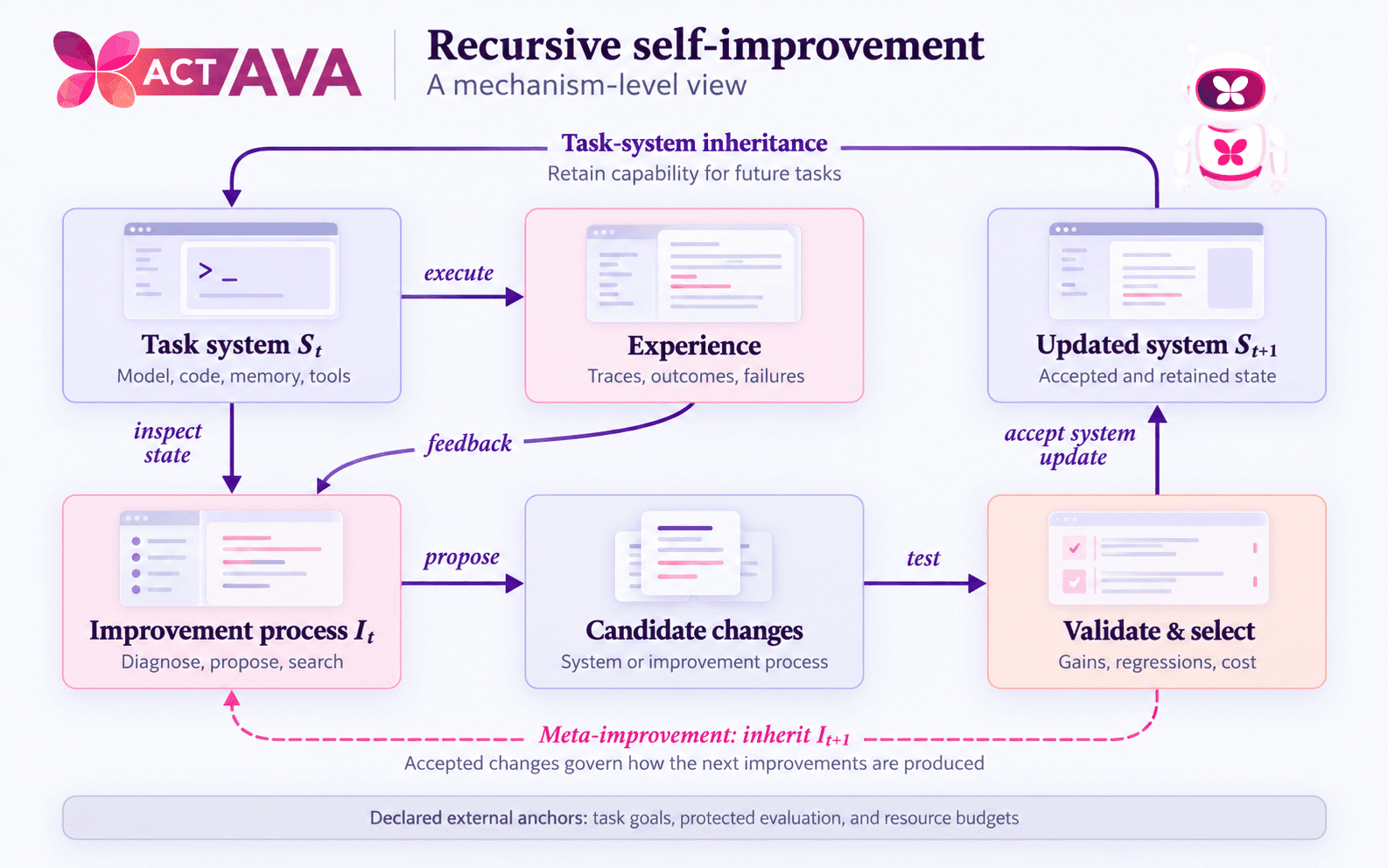
The third change is how we approach learning after deployment. Real workflows reveal missing information, unusual cases, and failed assumptions. Teams should use that feedback to improve their systems through controlled updates and careful testing.
My view is that capability and evaluation must advance together. Each new responsibility we give an agent should come with a clear way to determine whether it handles that responsibility well.
Bonus round: What does time series research teach us about better healthcare AI?
Pay attention to the trajectory.
A single observation gives you a snapshot. A sequence helps you understand direction, pace, and context. Two people may have the same measurement today but very different histories leading up to it.
That is what makes time series research so interesting. We study how systems change, how to distinguish meaningful patterns from noise, and how to reason with incomplete observations.
For healthcare AI, I see an opportunity to connect that temporal understanding with the context in documents and conversations. The system should help a professional see what changed, what evidence supports that interpretation, and where uncertainty remains.
I would bring the same thinking to healthcare operations. A delayed task has a history. Understanding the sequence of requests, responses, and handoffs can help a team identify where work stalled and what needs attention next.
The goal is to make change understandable enough for someone to act on it responsibly.
More about Qingsong
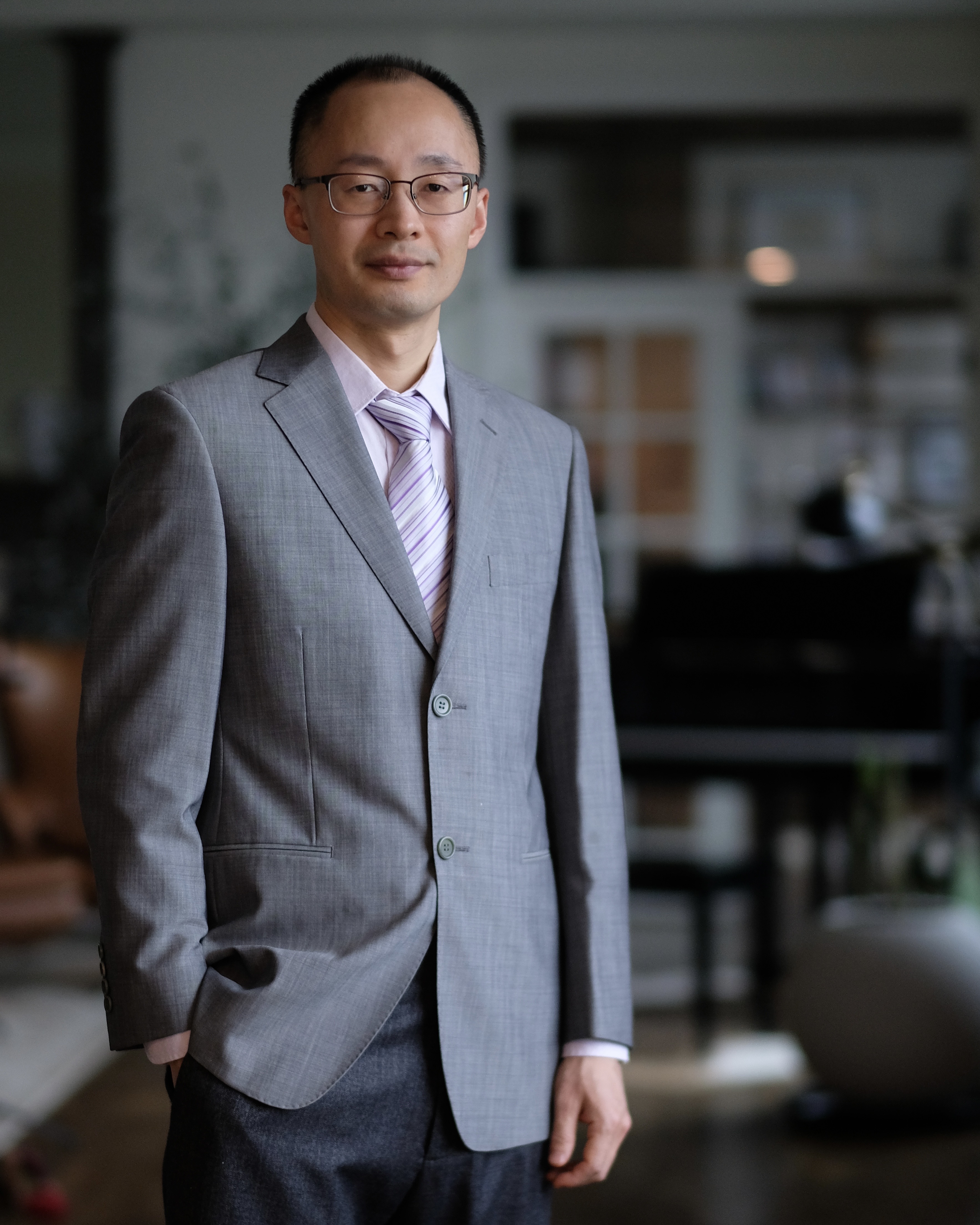
Qingsong serves as Chief Scientist at Squirrel Ai Learning. He earned his master’s and doctorate in Electrical and Computer Engineering at Georgia Tech and previously worked at Alibaba, Qualcomm, and Marvell. His academic roles include supervising PhD students at the University of Oxford and serving as an adjunct professor at East China Normal University. Read his academic biography.
His research contributions include FEDformer, which combines decomposition and frequency analysis for long-term forecasting, and Time-LLM, which adapts language models for time series forecasting. His broader work also addresses trustworthy AI agents, including safety, privacy, robustness, and hallucinations.
We’re excited to welcome his perspective to Actava.ai as we work toward healthcare AI that earns confidence through measurable performance.